
As AI gains attention in physical security, Genetec highlights the need for responsible, connected and practical adoption Genetec Inc., the global leader in enterprise physical security software, has highlighted the need for organizations in Saudi Arabia to focus on practical and responsible applications of artificial intelligence (AI) in physical security, as security teams manage growing volumes of video, alarms, sensor and incident data amid the Kingdom’s rapid infrastructure expansion.
AI is drawing greater attention across the physical security industry. In the 2026 Genetec State of Physical Security report, based on input from more than 7,300 security professionals worldwide, AI ranked alongside access control and video surveillance as a key priority for the year ahead. However, the research also found that 70% of end-user respondents are concerned about how AI systems are designed and implemented, underscoring the need for organizations to focus on trusted and measurable use cases rather than adopting AI for its own sake.
In Saudi Arabia, this is becoming increasingly relevant as organizations continue to invest in modern, connected security infrastructure. The Saudi Arabia findings from the 2026 State of Physical Security Report show that 43% of respondents reported increased physical security budgets in 2025, nearly double the EMEA average of 24%. The Kingdom also recorded the highest proportion of cloud-based physical security systems in EMEA, with 13% of respondents using cloud security systems compared to the EMEA average of 7%.
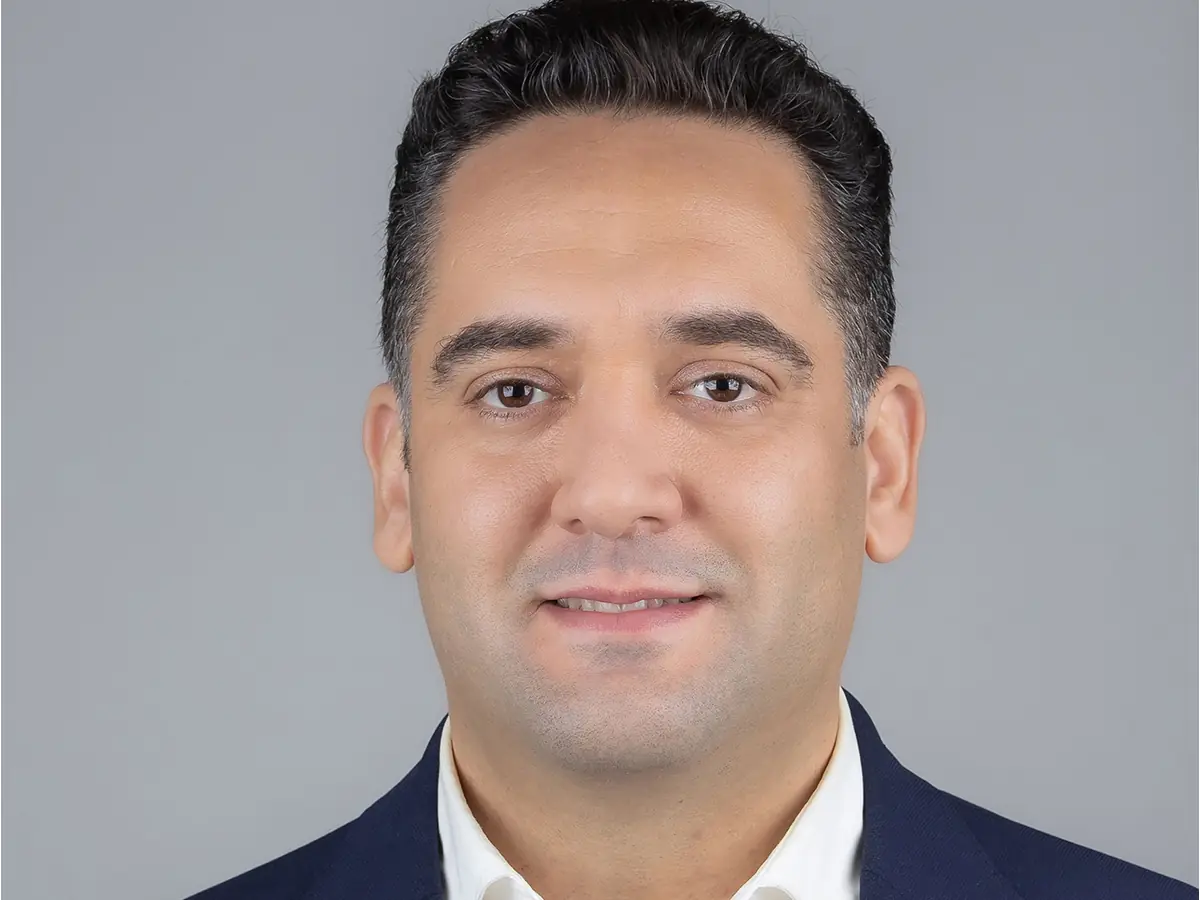
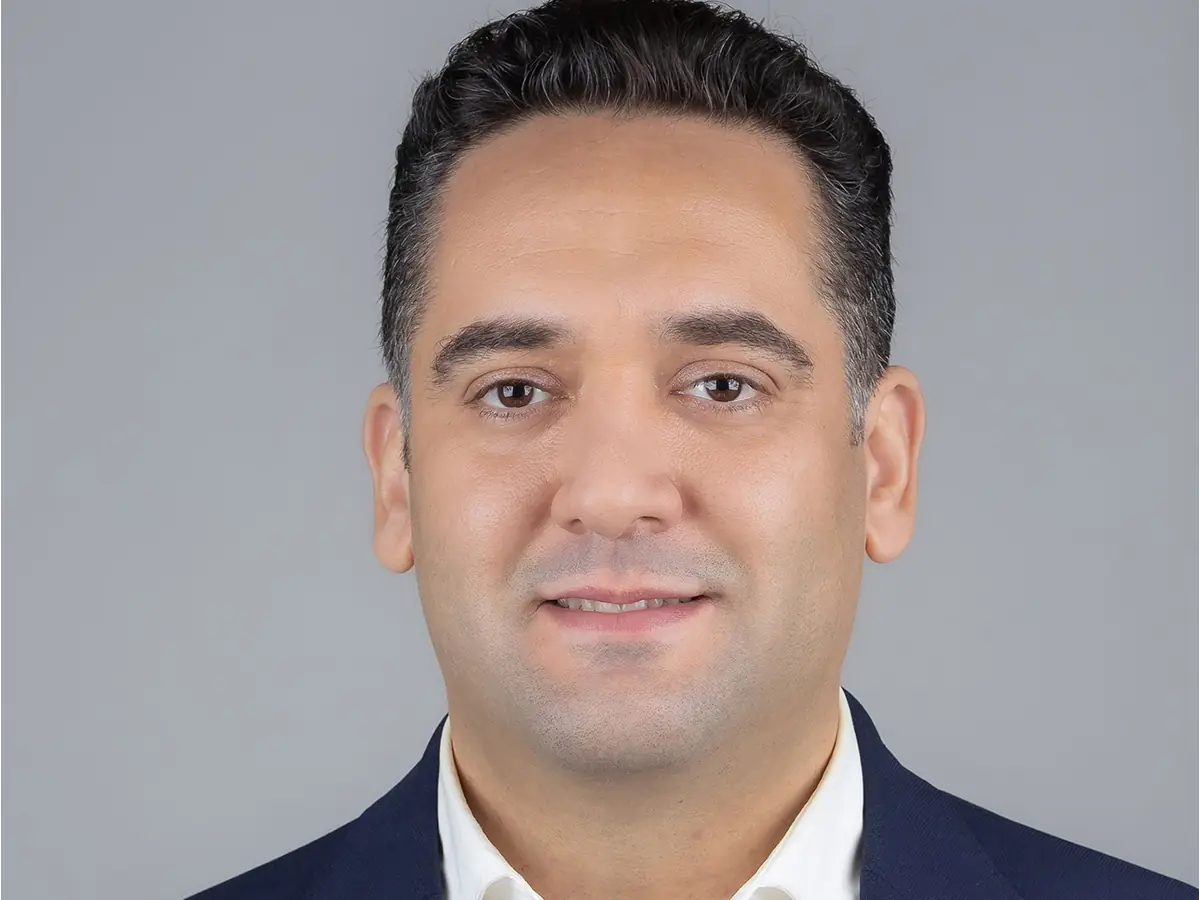
“AI has the potential to support security teams in meaningful ways, but its value depends on how responsibly and practically it is applied,” said Mohamad Saad, Country Manager – Saudi Arabia and Bahrain at Genetec Inc. “For organizations in Saudi Arabia, the priority should not be adopting AI for its own sake. It should be about using AI to solve real operational challenges, improve response times and support better decision-making while keeping people in control.”
The clearest value of AI in physical security lies in helping teams work more efficiently and make better decisions. During live monitoring, intelligent automation can help reduce nuisance events and bring forward alarms that require attention. In investigations, it can help teams search through large volumes of video and metadata more efficiently, shortening the time needed to locate relevant evidence. This can give operators more context when they need to understand what happened.
Connected and open platforms are also important. When video, access control, sensors, communications and other data sources work together, security teams can gain a clearer picture of events and avoid disconnected workflows. For organizations in Saudi Arabia, where security investment is increasing and cloud adoption is gaining momentum, this can support modernization while maintaining flexibility and control.
Trust remains essential. Physical security systems often handle sensitive information, so privacy, transparency and accountability need to be built in from the start. AI should support people, not replace them. Security operators and investigators bring judgment, context and experience that technology cannot replicate. AI can help process more information, surface what matters and support faster decision-making, but final decisions should remain with people.
As physical security environments become more connected and data-driven, practical and responsible AI can help organizations in Saudi Arabia manage complexity, strengthen resilience and deliver measurable value in the field.